
If you have an idea but no drawings
Begin with the result you want, rather than a list of documents. Describe who will use the building, what is missing today, and which priorities matter most. A new home, an addition, and a commercial tenant improvement each need a different starting discussion.
Bring the property address, available site information, and a realistic description of your budget and timing expectations. The first planning task is to identify what information is missing, which services may be needed, and which decisions should come before detailed drawings.
If design is already underway
Gather the latest drawings and identify who is responsible for each part of the project. Design development moves more clearly when the owner, building designer, engineering consultants, and construction participants understand which decisions are settled and which remain open.
When BIM is part of the assignment, establish what the model is intended to communicate and which drawing or model version the team is using. A model, a permit drawing set, and construction-planning information can serve different purposes. Their relationship should be clear before the next handoff.
If you have approved plans
Approved plans provide an important starting point for construction planning. Collect the approval information, current drawings, consultant documents, and any related conditions or outstanding items. Explain whether a builder is already involved and what you need help organizing.
The next discussion can focus on readiness: the information needed for pricing, coordination between participants, and the decisions that affect the planned start. Changes proposed after approval should be identified early so the appropriate project participants can determine the next steps.
Plan around the kind of project you are starting
New homes and ADUs
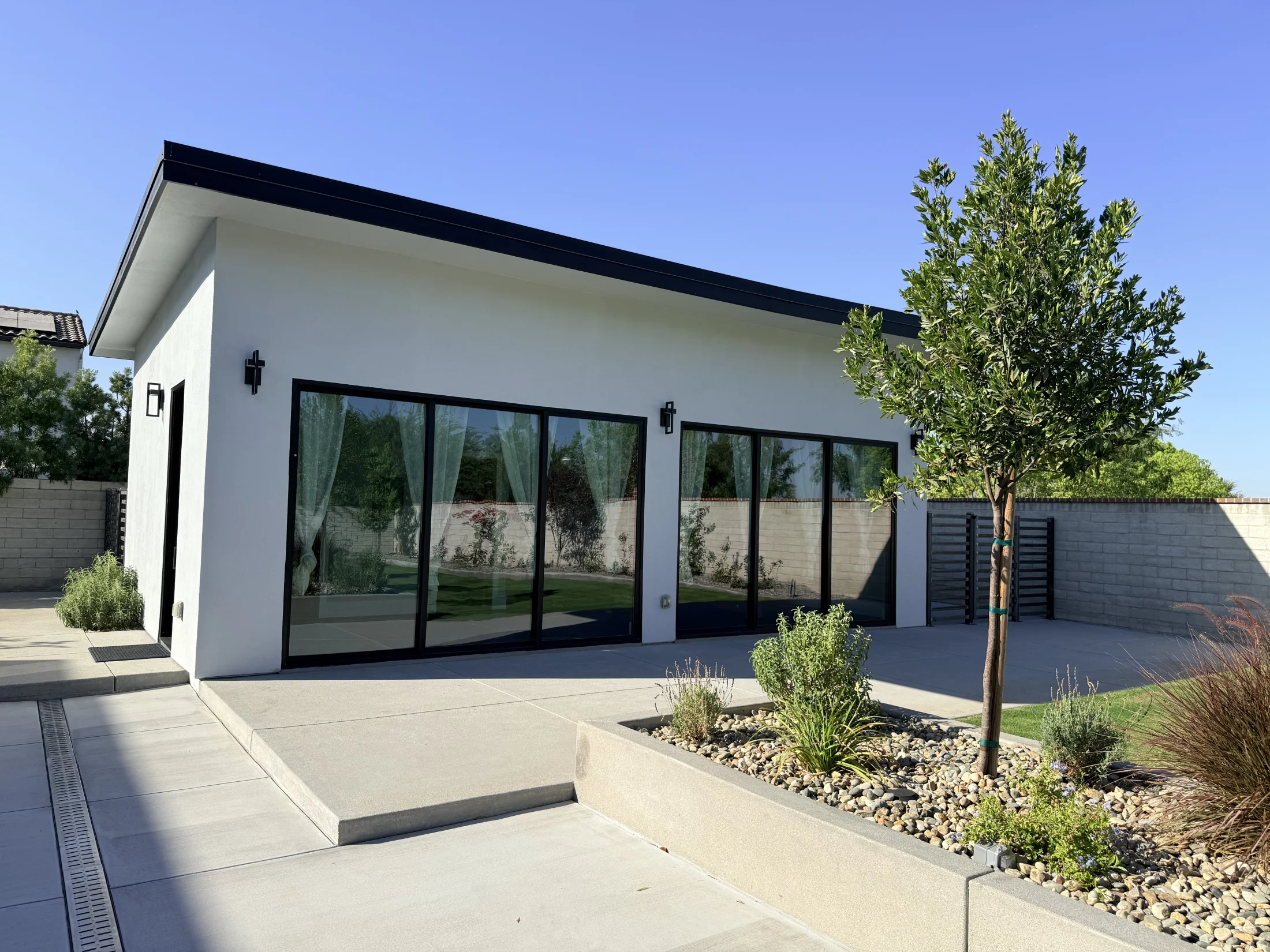
Start with the property address, the rooms you need and any surveys or existing drawings. Explain whether you are considering a new house, a detached ADU or a garage conversion. Our ADU plans and design examples can help you compare layouts before discussing a scope for your property.
Additions and remodeling
Bring photographs, available existing plans and a list of spaces you want to change. Identify whether the home will remain occupied. Coordinating the existing building, proposed layout and consultant information early helps make the next design and pricing discussion more useful.
Restaurant, office and retail improvements
Share the existing suite plan, proposed business use, equipment needs and any landlord requirements. We can discuss space planning, drawing packages and the consultant coordination needed for the assignment. Review the 19th Hole restaurant design project in Belcourt for an example of local commercial design work.
Make the responsibilities visible
Pedro A Marticorena, Executive Director, manages building-design operations and consultant coordination in Bakersfield. A useful project plan gives every participant a clear assignment and gives the owner a clear point of contact.
- Owner: communicate priorities and identify who can approve decisions.
- Design team: identify current documents and information still needed.
- Consultants: clarify their scope, inputs, and coordination needs.
- Construction participants: explain the information needed for the next planning stage.
Ready to discuss construction?
If you are looking for construction pricing, explain whether your plans are approved and which work needs to be included. Explore The Bakersfield Contractor LLC construction services for new homes, ADUs, remodeling and commercial tenant improvements. Design and construction responsibilities should be stated in the agreed scope.
What should I send with my inquiry?
Include the property address or APN, project type, current drawings or photographs, plan approval status and your desired timing. You can begin the conversation before drawings are complete; describe the information you have and the next decision you need help making.
Tell us your starting point
Share your project location, current stage, and the next outcome you need. We can use that information to discuss an appropriate scope of services and a practical sequence for moving forward.